About
Thomas Telman
Thomas Telman helps leaders in professional services firms identify operational blind spots, repeated gaps in communication, ownership and decision making that can stay invisible until they show up in billing, capacity, delivery or retention.
Built from what leaders couldn't see
Andre first encountered the problem while working in legal recruitment. What stayed with him was the difference between what people experienced and how leadership understood the same situation.
Two solicitors
Andre Thomas placed two solicitors in a City firm.
The same firm
Both entered the same professional environment.
Within six months
Both wanted to leave, citing culture, silos and poor leadership.
A different account
The solicitors' experience and leadership's understanding did not match.
The harder question was what leadership had missed before those resignations became visible.
That gap became the starting point for Thomas Telman.The outcome is visible. The pattern often started earlier
What was visible
- Financial results
- Utilisation
- Write-downs
- Engagement scores
- Resignations
What was actually happening
- Review
- Ownership
- Scope
- Mistakes
- Communication
Individually, those moments may look too small to matter.
Repeated often enough, they become part of how the firm operates.Specificity before labels
The aim is not to label leaders or diagnose personality. It is to look at what actually happens during the work, identify where perception and experience may diverge, and connect those gaps to the outcomes the firm is trying to improve.
What happened last time?
Where did the two views differ?
What operational outcome is that difference affecting?
What needs to change in the work itself?
Blind spots are not evidence that somebody is a bad leader.
No leader has access to every conversation, interpretation or experience happening around them.
The problem is making decisions without knowing where the blind spot is.Three stages. A progressively clearer view
The work develops from a first indication to a deeper comparison of leadership perception and team experience.
Blind Spot Self Assessment
A quick six question check based on the last time six everyday situations actually happened.
Take the Self AssessmentBlind Spot Diagnostic
A deeper 18-question diagnostic that looks more closely at operational patterns and places them alongside team size and fee income.
Explore the DiagnosticTrustLytics®
Structured, anonymised team experience is added to the leader's view to show where the two perspectives align or diverge.
Explore TrustLytics
Professional services depend on what happens between people
Thomas Telman works with leaders in professional services, particularly managing partners, partners and COOs in law and accountancy firms.
The work is most relevant where performance depends heavily on how people communicate, understand the distribution of work, review work, respond to pressure and make decisions together.
A firm does not need to be failing. It may be profitable, growing and full of capable people while still losing time, margin or talent through patterns nobody has clearly identified.
A view shaped by hearing both sides of the firm
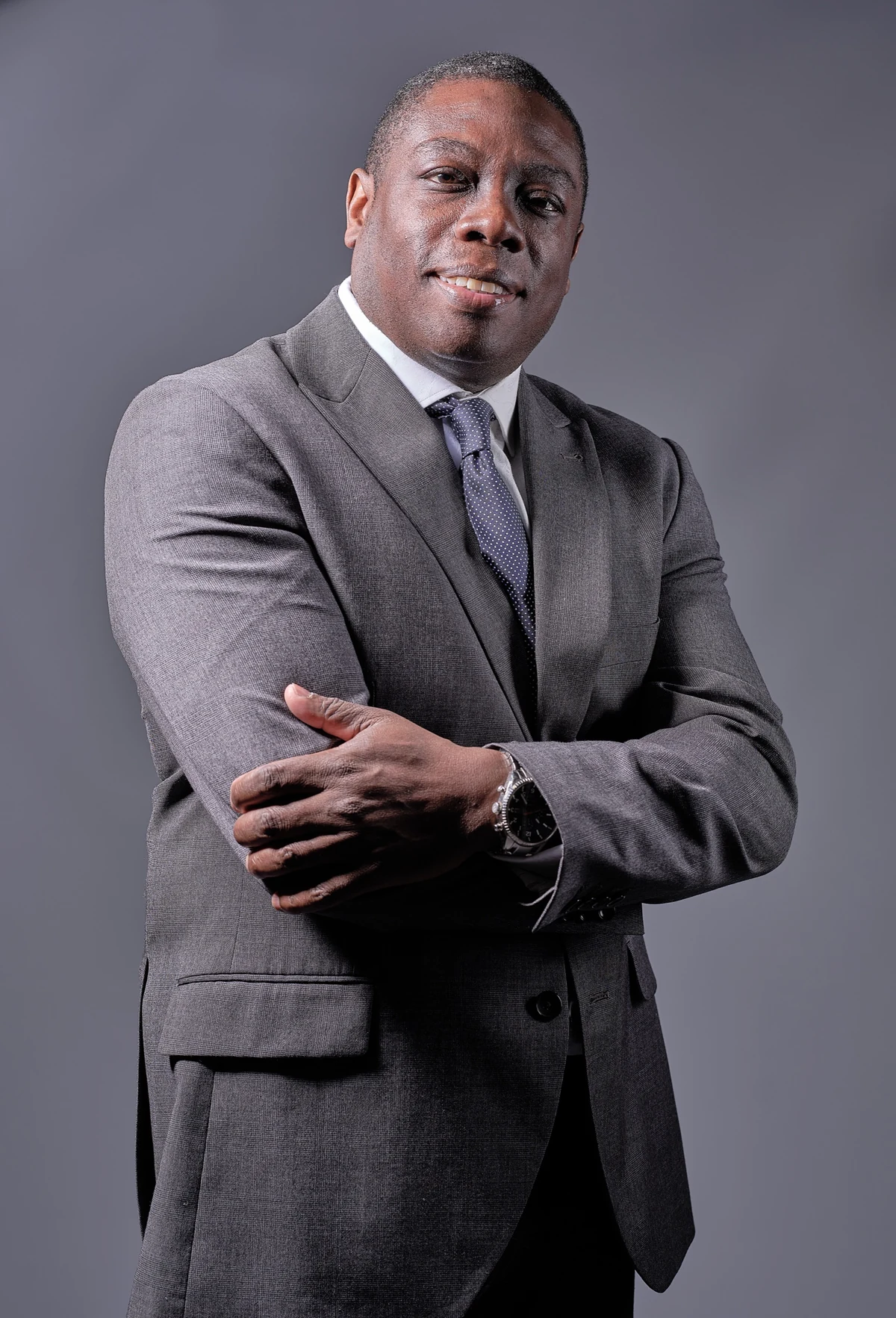
Andre Thomas | Thomas Telman
His background in legal recruitment gave him an unusual view of professional services firms, he heard directly from the people leaving them, while also seeing how differently leadership could interpret the same environment.
That experience led him to focus on the gap between what leaders believe is happening and what people around them are actually experiencing.
- No personality labels
- No generic leadership programme
- No assumption that the visible symptom is the real problem
Six recent situations can reveal what may be getting missed
The easiest place to begin is the Blind Spot Self Assessment.